

What My Father Carried
A B-29 navigator and a search for belonging

My father (back row, first on the left) with his B-29 crew during World War II.
The names and roles listed here are the men he flew with—each with their own story.
Bottom Row (L-R): Staff Sgt. Ernie Gray (gunner), Sgt. Avery Gordy (gunner), Staff Sgt. Harry Mitchell (gunner), Staff Sgt. John Schreiber (radio), Sgt. Stan Putman (gunner),
Top Row: First Lt. Alfred Tsang (navigator), First Lt. Chuck Fulbeck (co-pilot), First Lt. Fred Pawlikowski (radar), First Lt - Herb Small (bombarder), First Lt. John Sweeny (engineer), Pilot – not present.
What I learned from my father was not taught in words. It was lived—across war, loss, perseverance, and a lifelong search for belonging.
What I learned from my father: work hard, be financially responsible, perseverance, do the right thing, give back.
But those words feel too small for the life behind them.
The war shaped his life in ways that never fully left him—and in turn, it shaped mine.
My father died peacefully in his sleep.
As he passed, I looked out the window and saw the American flag. It flowed gently, then more briskly—almost as if it was saluting him as his presence moved from this world.
The program for his memorial contains historical facts about his life, but they do not begin to tell you who my father was.
Dad was a proud, at times stubborn, but also humble man. His life was complex and conflicted, yet he lived simply and persevered.
Dad was ethnic Chinese. He was born in New York but raised by his mother in China. Growing up there, he did not yet understand what it meant to be American—nor did he imagine he belonged anywhere else.
In China, he witnessed the horrific loss of life and suffering from Japanese bombing. At 14, his mother sent him back to the United States at the onset of what would become World War II for his safety. It was the last time he would see her for over 40 years.
When he was old enough, he felt it was his duty to join the U.S. Army Air Corps to defend both of his countries—America and China. He became an officer and navigator on a B-29 Superfortress, serving in one of the first integrated Army Air Corps units.
He flew in 36 combat missions and was a decorated war veteran before he even graduated from high school.
From Dad’s memoirs:
My B-29 crew bombed Tokyo five times in the month of May… Nagoya, Kobe, Oita, Osaka… Yokohama, Tachikawa… and many other cities…
We were fortunate not to be among those in the other 231 B-29s that were lost.I often question my worthiness of the sacrifices made by others… I am alive today because 7,000 American marines lost their lives to secure Iwo Jima…
He wrote not with pride alone, but with reflection—often burdened by what survival cost others.
He carried that weight his entire life.
The war never ended for him in the way it ends in history books. In subtle, lasting ways, I grew up inside its aftermath.
Dad suffered post-traumatic stress and later became 100% hearing disabled.
He once wrote:
I have cursed the war for what it has done to my life… but beyond surviving, I have benefited from the tragedies that I continue to grieve. I have a good life—better than what my parents had.
And he made the most of that life.
He earned his high school diploma, a degree in mechanical engineering, served as a Lieutenant Colonel in the Air Force Reserves, married my mother, raised a family, and earned a law degree while working full time.
He worked as a Deputy Indiana Attorney General past the age of 65.
After retiring, he continued to serve—providing free legal work for immigrants, attending seminary classes, learning to use a PC, substituting as a teacher, and running for school board.
He became an advocate for peace, creating essays, and working on projects honoring veterans of war.
Dad loved his grandchildren deeply. In his last week, he spoke proudly of Michael’s promotion and described Christine’s sensitivity and kindness.
He served his country, but at times experienced prejudice and never felt fully accepted.
He also knew the China of today was not the China of his childhood, nor the one he once tried to understand.
I hope his wish to be buried in Arlington National Cemetery brings him peace—not just as honor, but as affirmation that he was accepted by the nation he served.
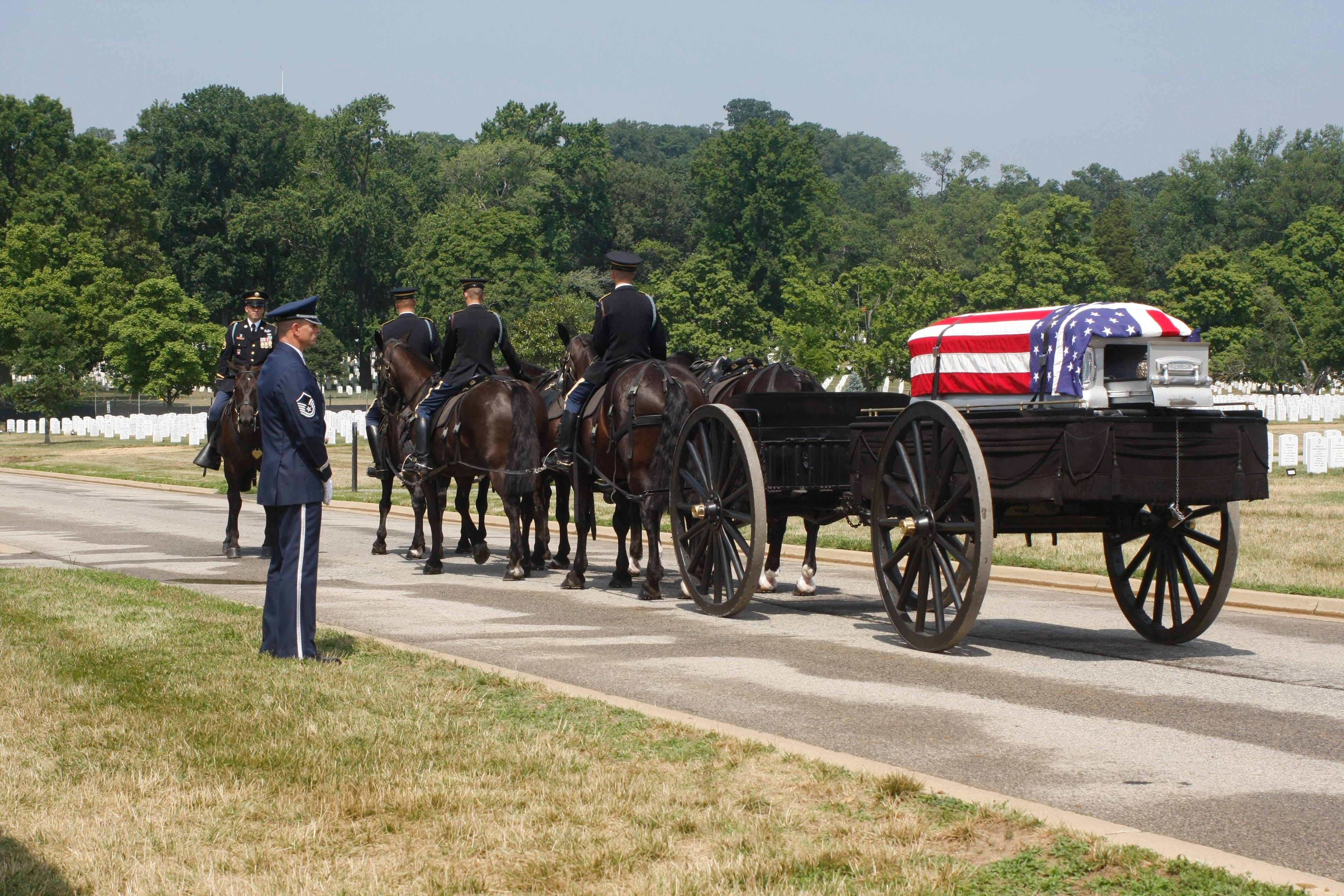
To my mother, who knew and loved him for over 60 years—thank you for your enduring care, especially in these difficult later years.
To my sister Wendy, who stayed with him in his final hours—thank you for bringing him peace through your presence.
To my sister Lori—thank you for documenting his life so that we could better understand the man he was beneath everything he carried.
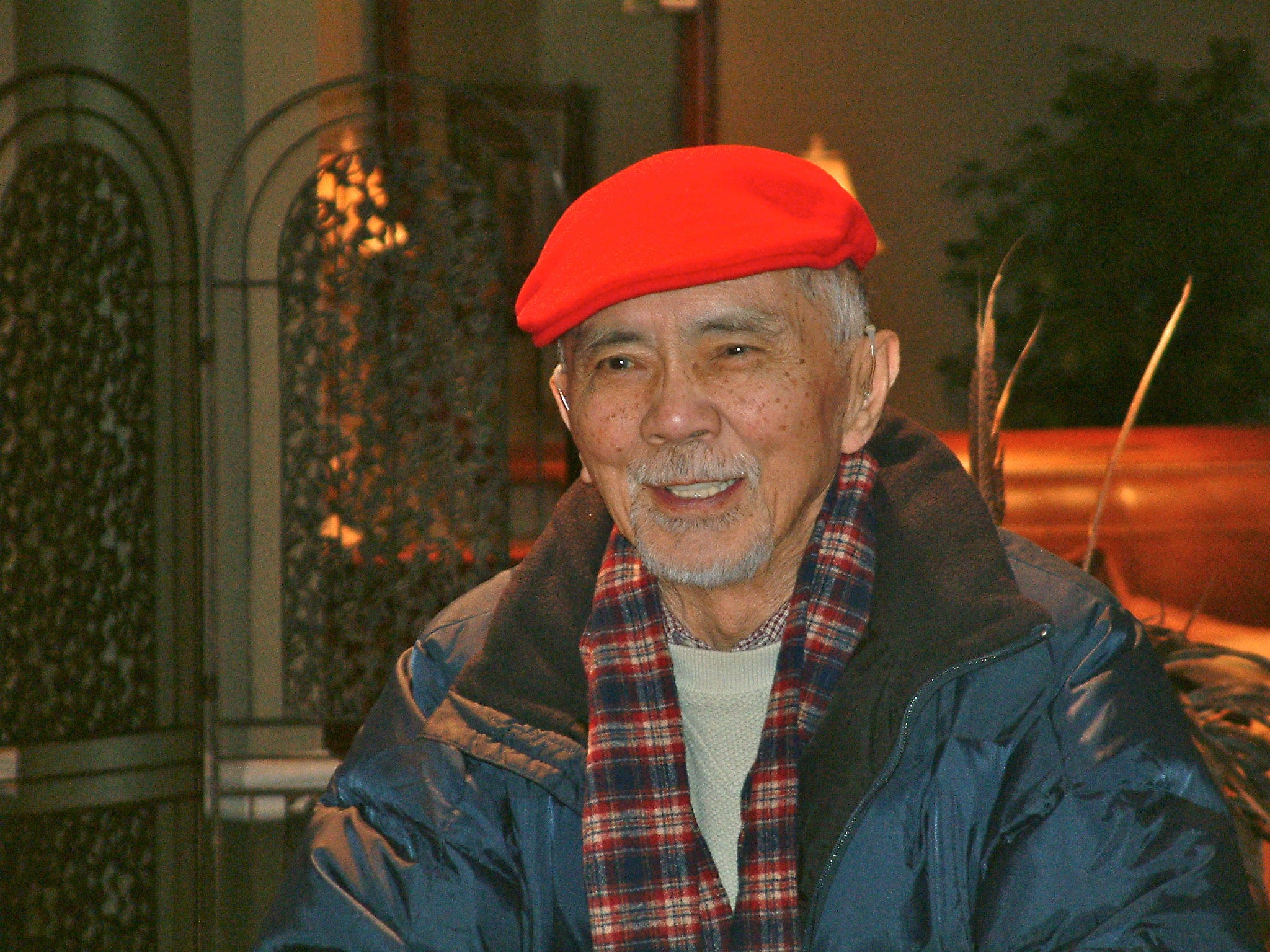
My father never asked to be seen as extraordinary.
But he lived a life that quietly defined what endurance looks like—across war, rebuilding, service, and the search for belonging.
What I learned from him was not only how to work hard or persevere, but how to carry the weight of a life fully lived—and still continue forward.
Those are the lessons I carry with me.
—D. Arthur Tsang
My return to Arlington carried its own story of memory and meaning, which I’ve written about separately in The Road Back to Arlington.
The Road Back To Arlington

It was 6 AM, a brisk and dark morning. I headed east on I-68 for a two-and-a-half-hour drive through the Appalachian corridor.